


Electronic soil test kit or chemical soil test kit?
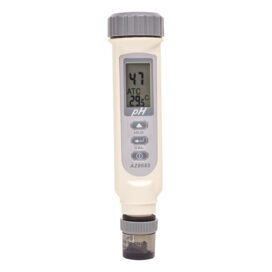
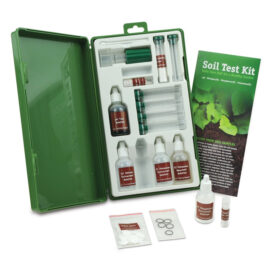
To make a proper soil analysis, it is necessary to be able to measure N (Nitrogen), P (Phosphorus), K (Potassium) and the pH (the acidity) of the soil. This can be done with a soil test kit that takes soil samples that are treated with chemicals to arrive at a measurement result. This electronic kit does the same but is much more user-friendly as the meters show the result immediately after being inserted into the soil and the button is pressed. Click here for full details of the electronic NPK meter, and here for details of the electronic pH meter.
Difference between organic fertiliser and artificial fertiliser
There are major differences between an organic fertiliser and a fertiliser. Organic fertilisers have a less direct effect than artificial fertilisers. Organic fertilisers release the substances more gradually into the soil and therefore have a longer effect. Also, an organic fertiliser will replenish the soil with all kinds of trace elements and important nutrients. Organic fertiliser is made of organic material and always contains nitrogen, phosphorus, potassium (NPK) and often micro-organisms and enzymes. Artificial fertilisers also always contain nitrogen, phosphorus and potassium (NPK).
What is the meaning of N,P,K and pH?
The meaning of NPK is nitrogen (N), phosphorus (P) and potassium (K). These 3 nutrients are a necessary basis for the care of all plants, both indoors and outdoors. Besides oxygen, water and carbon, a plant needs NPK to live, grow and flower. In short, indispensable for a plant’s well-being. However, the function of these 3 elements is different. A good pH ensures that plants are able to absorb nutrients.
Nitrogen (N)
Nitrogen promotes plant growth and is the most important element. After all, without nitrogen there is no growth. Nitrogen also triggers photosynthesis. If a plant is deficient in nitrogen, its leaves will turn yellow and it will also lose a lot of leaves.
Phosphorus (P)
Phosphorus contributes to the overall development of plants and, in particular, ensures proper development of the root system. Plants with a well-developed root system can absorb nutrients faster and better. A phosphorus deficiency results in reduced growth.
Potassium (K)
Potassium is important for water balance in plants. The cell walls of plants are strengthened by potassium and thus the transport of water and carbohydrates can be better processed. Potassium thus increases plant resistance. Plants are more resistant to disease, heat, fungi and basically anything that causes stress. A potassium deficiency will show as discoloured edges of the leaves, eventually the leaves will die.
Acidity (pH)
A good pH level is important for a plant to absorb essential nutrients. This applies to potted plants, but also to all plants in the open ground, the vegetable garden and the lawn. Most plants will grow optimally with an acidity level (pH) between 5.5 and 6.5. For the lawn, 7.0 is the ideal value. Therefore, without the ability to absorb fertilisers, a plant or the lawn cannot grow properly and lead a healthy life. In addition, the right pH value is indirectly important for the microbes in the soil.
How do you adjust soil pH?
A pH of around 6.5 is suitable for almost all gardens, as most plants grow in a range of pH 6.0 to pH 7.0 (slightly acidic to neutral). Once you have determined the pH of the soil, use a special soil conditioner to adjust the pH of the soil to the plant’s ideal pH range.
A shortage or surplus of nitrogen
As you have just read, nitrogen equals growth. If you add too much nitrogen to the soil, you will have to deal with sprawl. You will then see everything start to proliferate. A shortage of nitrogen means the opposite. The plants remain much too small and are very susceptible to fungi and diseases. You will also see that the leaves turn yellow.
A shortage or excess of phosphorus
Too much phosphorus will disrupt water balance. Phosphorus will also accumulate in the soil and eventually leach out. However, should you have a phosphorus deficiency, this will be seen by a blue-purple glow over the plants. The roots will not develop as well and can absorb less nutrients.
A shortage or abundance of potassium
An abundance of potassium results in reduced uptake of calcium, magnesium and boron, and will promote abundant uptake of iron and manganese. Thus, there is no longer a balance. A deficiency will cause barren grass and discoloured spots on leaves.

Reviews
There are no reviews yet.